Top 10 Knit Cotton Fabrics for Global Sourcing Needs?
In the ever-evolving world of textiles, Knit Cotton stands out for its versatility and comfort. This fabric is favored by many global designers for its ability to blend style with practicality. With sustainability gaining momentum, Knit Cotton fabrics meet both consumer needs and ethical standards.
This article explores the top 10 Knit Cotton fabrics for global sourcing. Each fabric offers unique features that cater to diverse applications. From casual wear to high-fashion, the options are expansive. However, sourcing can be complex. Considerations such as quality, price, and supplier reliability are essential.
The journey of finding the right Knit Cotton fabric is not always straightforward. Brands often face challenges in aligning their sourcing strategies with market demands. Yet, understanding the distinctions of these fabrics can lead to better choices. Exploring this landscape of possibilities opens the door to innovation in design and sustainable practices.
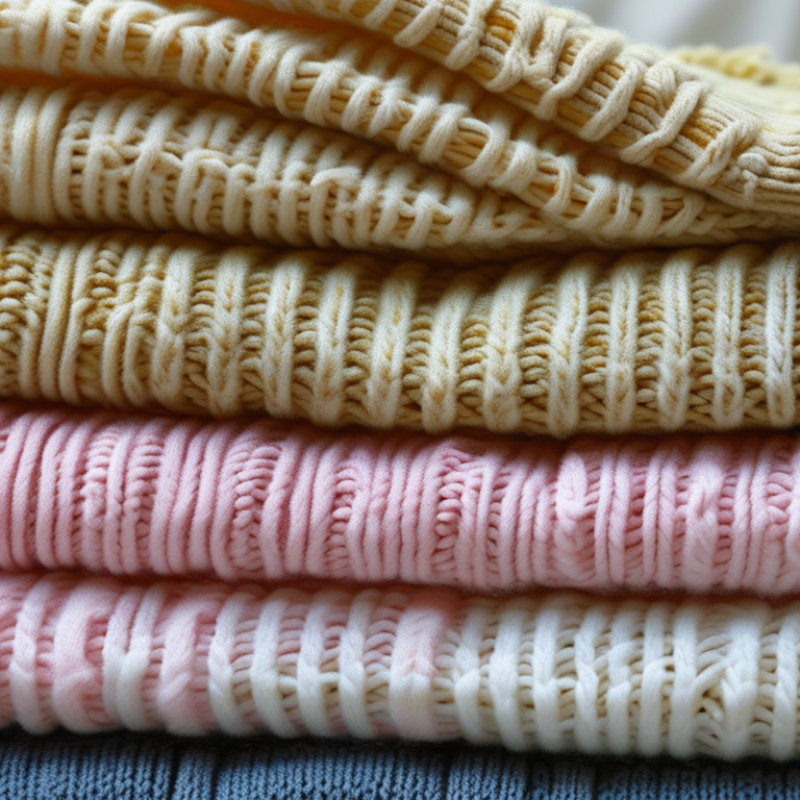
Overview of Cotton Fabrics in Global Sourcing
In the realm of global sourcing, cotton fabrics have secured a vital spot. Their versatility and comfort appeal to manufacturers and consumers alike. Cotton’s natural breathability makes it a preferred choice in diverse climates. As sourcing professionals consider options, understanding the nuances of knit cotton fabrics is essential.
Sourcing knit cotton requires attention to detail. Each fabric type may have unique characteristics that impact quality. When evaluating suppliers, look for certifications that indicate sustainable practices. This can enhance the fabric's market value and appeal to eco-conscious consumers.
Tips: Consider the weight and thickness of knit cotton. Heavier fabrics offer durability, while lighter options may provide better draping. Quality inspection is key; check for consistent texture, strength, and colorfastness. Remember, even small imperfections can impact consumer perception. Engaging in direct communication with suppliers ensures clarity on expectations and fosters stronger partnerships.
Top 10 Knit Cotton Fabrics for Global Sourcing Needs
This chart displays the top 10 knit cotton fabrics preferred in global sourcing based on their popularity and demand:
Key Features of Knit Cotton Fabrics
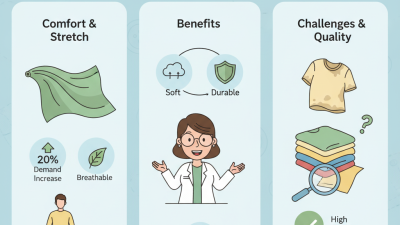
Knit cotton fabrics are increasingly popular for various applications. These fabrics offer comfort and versatility. They are made from cotton yarns knitted together, providing a soft feel against the skin. This construction enhances breathability, making them ideal for warm weather garments.
One key feature of knit cotton fabrics is their excellent stretchability. The knit structure allows for significant elasticity, ensuring a snug fit. This quality is particularly beneficial in activewear and casual clothing. Additionally, these fabrics maintain their shape well, reducing the risk of sagging. Another notable trait is their moisture-wicking ability. Knit cotton can efficiently absorb sweat, allowing for dry comfort throughout the day.
However, sourcing knit cotton can be challenging. Variations in fabric quality exist. It is crucial to assess the weight and gauge of the fabric. Heavier knits may provide warmth but can feel bulky. Lighter options are breathable but may lack durability. Buyers should carefully evaluate their needs and consider these factors before making a choice. Quality control is crucial in ensuring end products meet expectations.
Top 10 Knit Cotton Fabrics for Different Applications
When sourcing knit cotton fabrics, understanding their applications is crucial. Knit cotton is versatile and favored by many industries. Reports indicate that the global knit cotton market is expected to grow significantly, fueled by its comfort and breathability.
In apparel, lightweight knit cotton is ideal for T-shirts and activewear. A recent survey shows that 70% of consumers prefer cotton blends for comfort. These fabrics reduce skin irritations, making them suitable for children’s clothing. Healthcare sectors utilize breathable knit cotton for uniforms and patient wear, promoting hygiene and comfort.
Tips: Always test the fabric for durability before large-scale production. Consider its stretch and recovery properties. Calibration of these factors often goes overlooked.
Home textiles, such as bed linens and curtains, also benefit from knit cotton. Its soft texture provides a cozy environment. However, quality control is essential. Not all knit fabrics meet the expected standards, leading to potential consumer dissatisfaction.
Tips: When selecting fabrics, check the weight and gauge. Inconsistent quality can result in returns and loss of reputation. Evaluate multiple suppliers to ensure reliability.
Sustainability and Ethical Sourcing in Cotton Fabrics
Sustainability has become essential in the textile industry, particularly for cotton fabrics. Global demand for sustainable textiles is on the rise, with 30% of consumers prioritizing eco-friendly materials. This shift is a response to environmental concerns regarding conventional cotton farming. Traditional practices can deplete water resources and contribute to soil degradation.
Ethical sourcing is another critical aspect. It ensures fair labor practices in cotton production. According to industry reports, about 85% of cotton farmers earn less than a living wage. Companies must prioritize transparency in their supply chains. Transparency builds trust with consumers who demand responsible sourcing.
The market for organic cotton is expanding. It is projected to grow by 20% annually. Organic cotton uses 91% less water than conventional cotton. This statistic highlights its benefits. However, challenges remain in scaling organic practices globally. Access to infrastructure and education in farming communities is crucial. Companies must address these issues to support sustainable growth in the cotton fabric sector.
Future Trends in Knit Cotton Fabric Production
The knit cotton fabric market is evolving. Producers are exploring sustainable practices. The demand for eco-friendly materials is rising. Innovations in processing techniques are necessary to reduce waste. This shift is crucial for meeting consumer expectations.
Technologies for dyeing and finishing are advancing. These methods use less water and energy. However, not all manufacturers are adopting these trends. The transition can be costly and requires comprehensive training. Companies must balance efficiency with sustainability.
Another trend is the use of blended materials. While cotton remains popular, mixing fibers can enhance durability. Yet, this raises concerns about the overall environmental impact. The future of knit cotton fabrics will depend on a careful approach to these competing priorities. Addressing these challenges will be essential for success.
Top 10 Knit Cotton Fabrics for Global Sourcing Needs
| Fabric Type |
Weight (GSM) |
Stretchability (%) |
Breathability (MVP) |
Sustainability Rating |
| Single Jersey |
160 |
30 |
1000 |
B |
| Interlock |
220 |
20 |
800 |
A |
| Rib Knit |
190 |
25 |
900 |
B |
| French Terry |
240 |
15 |
700 |
A |
| Loopback |
180 |
22 |
750 |
B |
| Slub Knit |
160 |
35 |
1000 |
A |
| Pique |
210 |
18 |
950 |
B |
| Burnout Knit |
170 |
40 |
1100 |
A |
| Jacquard Knit |
230 |
25 |
800 |
B |
| Mesh Knit |
150 |
50 |
1200 |
A |