Top 10 Polyester Stretch Fabrics for Global Buyers?
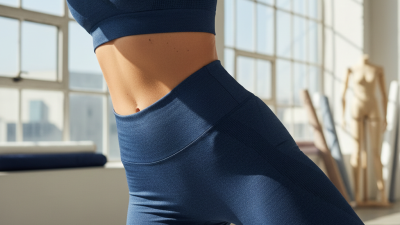
The global textile industry is increasingly leaning towards innovative materials like polyester stretch fabrics. According to a recent report by the Global Textile Alliance, the demand for stretchy fabrics has risen by 30% in the past five years. This surge can be attributed to the growing preference for comfort and flexibility in apparel. Polyester stretch blends offer excellent elasticity and recovery, making them ideal for diverse applications, from activewear to casual clothing.
Industry experts highlight that polyester stretch is particularly favored by manufacturers due to its durability and cost-effectiveness. However, despite these benefits, challenges remain. Not all polyester stretch fabrics are created equal; variations in quality can affect performance. It is essential for buyers to discern between high-quality options and inferior ones. This knowledge gap can lead to unsatisfactory purchases, which is a concern for many in the supply chain.
As global buyers seek the best options, understanding the top choices for polyester stretch fabrics becomes vital. Making informed decisions can enhance product offerings and satisfy evolving consumer tastes. Thus, exploring the leading polyester stretch fabrics not only helps in sourcing quality materials but also aligns with market trends that prioritize flexibility and durability.
What is Polyester Stretch Fabric and Why is It Popular?
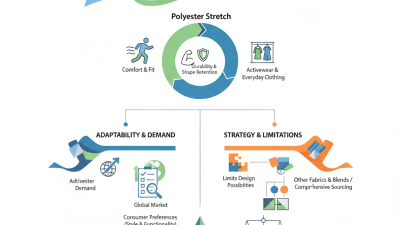
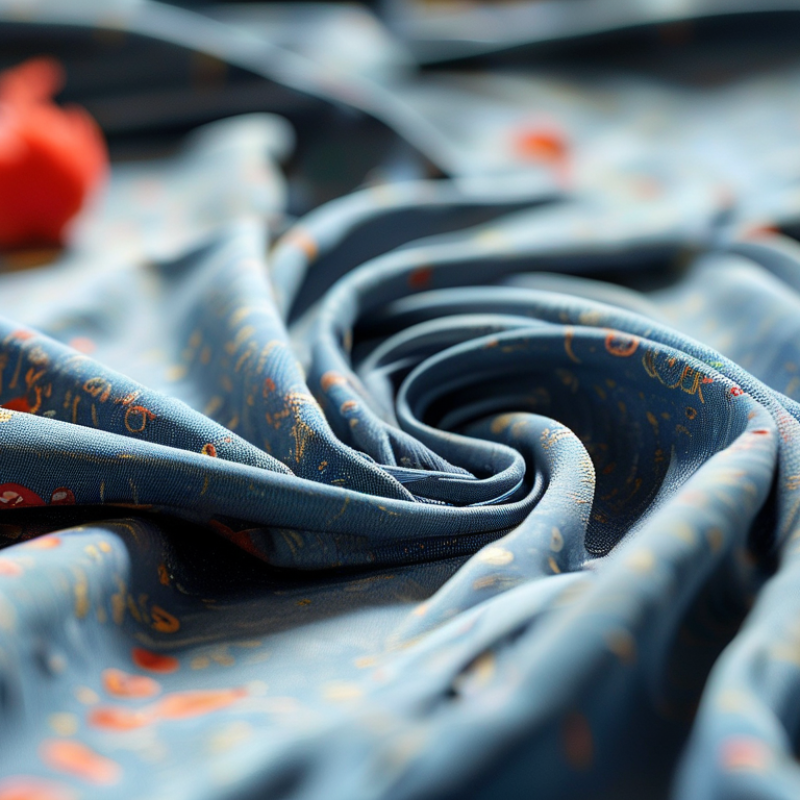
Polyester stretch fabric is a popular choice in today’s fashion industry. This fabric blends polyester fibers with spandex to offer flexibility and comfort. Its unique properties allow it to retain shape while providing the necessary stretch. According to a report by the Textile World, the demand for stretch fabrics has surged by 30% over the last five years, reflecting a growing preference among consumers.
The popularity of polyester stretch fabrics can be attributed to their durability and ease of care. Unlike other materials, polyester resists wrinkles and retains color well. This makes it ideal for various applications, from activewear to formal attire. Additionally, with eco-conscious initiatives on the rise, reports indicate that recycled polyester is gaining traction. This sustainable approach addresses environmental concerns while maintaining performance.
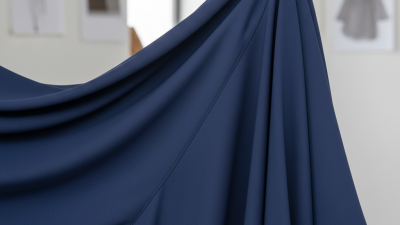
For those sourcing polyester stretch fabrics, consider the weight and gauge of the material. Different weights can affect the drape and feel, impacting end-use applications. Look for options with moisture-wicking capabilities for athletic performance. Remember, testing a small sample before bulk orders can prevent costly mistakes. Quality varies significantly across suppliers, so researching their reputation is crucial.
Top 10 Polyester Stretch Fabrics for Global Buyers
This chart displays the market demand for the top 10 polyester stretch fabrics among global buyers. The data indicates varying levels of preference, showcasing which fabrics are leading the market in popularity.
Key Properties and Benefits of Polyester Stretch Fabrics
Polyester stretch fabrics have gained popularity for their versatility and durability. These fabrics are known for their excellent elasticity. They maintain their shape even after multiple washes. This feature makes them ideal for activewear and everyday clothing. The lightweight nature of polyester stretch fabrics ensures comfort while allowing ease of movement.
One of the standout properties is moisture-wicking. This characteristic helps to keep the skin dry, making it suitable for sports and exercise. Additionally, these fabrics resist wrinkles and shrinkage. This means less time spent on ironing and laundry. They are also easy to dye, providing a vibrant range of colors for various styles. However, some users find that polyester can trap heat, leading to discomfort in warmer conditions.
The fabric's resilience may impact its biodegradability, raising environmental concerns. While it lasts longer than natural fibers, the accumulation of polyester waste can be problematic. It's essential to consider eco-friendly options for a sustainable future. Exploring blends with organic materials might offer a balanced solution. Finding the right polyester stretch fabric involves weighing its benefits against potential environmental effects.
Top Polyester Stretch Fabrics: A Comparative Overview
Polyester stretch fabrics are gaining popularity globally due to their versatility and durability. According to a 2022 report by Textile World, polyester accounts for over 52% of the global fiber market, illustrating its widespread use. These fabrics offer a balance of comfort and elasticity, making them ideal for various applications, from fashion to sportswear. The material’s ability to return to its original shape after stretching is crucial in high-performance garments.
A comparative overview of polyester stretch fabrics reveals varying degrees of stretchability and recovery. Some varieties provide over 30% stretch, while others may only reach 15%. The best performing fabrics often use advanced manufacturing techniques that enhance these properties. Furthermore, the breathability and moisture-wicking capabilities can differ significantly. Data from the International Textile Manufacturers Federation suggests that fabrics treated with advanced technologies often outperform standard polyester in these areas.
While many manufacturers offer high-quality options, it is essential for buyers to conduct thorough evaluations. The need for transparency in sourcing and production has never been more critical. Ensuring that the fabric meets specific performance standards takes time and diligence. Therefore, buyers should consider testing samples before committing to large orders. Reflecting on the process and outcomes can lead to more informed decisions in the long run.
Applications of Polyester Stretch Fabrics in Fashion and Industry
Polyester stretch fabrics are increasingly popular in both fashion and industrial applications. Their versatility makes them suitable for various purposes. In fashion, these textiles are cherished for their comfort and elasticity. Designers often incorporate them into activewear, swimwear, and casual clothing. The ability of polyester stretch fabrics to maintain shape is a significant advantage. These fabrics resist wrinkles and shrinkage, making them ideal for everyday wear.
In the industrial sector, polyester stretch fabrics play a critical role. They are commonly used in upholstery, automotive interiors, and workwear. The durability of these fabrics under various conditions is noteworthy. They can withstand rigorous use while still offering elasticity and comfort. However, not all polyester stretch fabrics are created equal. Some may lack breathability, leading to discomfort for the wearer. It is essential to evaluate fabric properties when selecting materials for specific applications. Experience and knowledge play crucial roles in making informed choices while navigating this diverse landscape of fabrics.
Considerations for Buyers: Sourcing Polyester Stretch Fabrics Globally
When sourcing polyester stretch fabrics globally, buyers must prioritize quality and sustainability. According to industry reports, the global polyester market is projected to reach $200 billion by 2025, with a significant demand for stretch materials. This indicates a growing market opportunity for those who understand the intricacies of sourcing these textiles.
Buyers should assess fabric performance characteristics such as elasticity, durability, and breathability. Over 70% of consumers prefer fabrics that offer both comfort and functionality. Buyers can leverage this data to cater to evolving consumer preferences. Sourcing from reliable manufacturers is crucial. Transparency in production processes fosters trust and ensures compliance with industry standards. Evaluating certifications can help buyers identify high-quality products.
Sustainable practices are becoming a necessity. A recent survey indicates that 60% of consumers are willing to pay more for eco-friendly options. Thus, sourcing recycled polyester can provide a competitive edge. However, not all manufacturers prioritize environmental responsibility. Assessing sourcing practices and environmental impact is vital. Looking for third-party certifications and ratings can guide buyers in making informed decisions.
Top 10 Polyester Stretch Fabrics for Global Buyers
| Fabric Type |
Stretch Percentage |
Weight (gsm) |
Applications |
Country of Origin |
Price Range ($/m) |
| Polyester Spandex Blend |
15-30% |
180 |
Activewear, Swimwear |
China |
5-10 |
| Warp Knit Polyester |
25-50% |
200 |
Sportswear, Leggings |
India |
6-12 |
| Polyester Jersey |
10-25% |
160 |
T-shirts, Casual Wear |
Vietnam |
4-8 |
| Double Knit Polyester |
20-35% |
220 |
Outerwear, Jackets |
Turkey |
7-14 |
| Microfiber Polyester |
15-30% |
150 |
Home Textiles, Upholstery |
Italy |
5-11 |
| Satin Polyester |
10-20% |
110 |
Evening Wear, Dresses |
Bangladesh |
3-7 |
| Polyester Fleece |
20-40% |
280 |
Sweatshirts, Blankets |
USA |
8-15 |
| Brushed Polyester |
20-30% |
180 |
Loungewear, Pajamas |
Pakistan |
4-9 |
| Lycra Blend Polyester |
30-60% |
190 |
Swimwear, Sports Bras |
Brazil |
6-13 |
| Cooling Polyester |
10-25% |
170 |
Activewear, Sportswear |
Spain |
5-10 |