Top Textile Fabric Trends for 2026 What Should Buyers Know
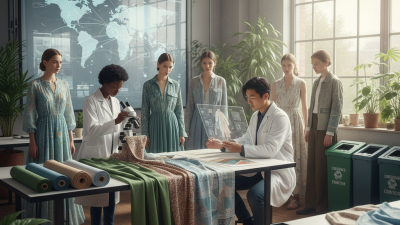
As we approach 2026, the textile fabric industry is witnessing dynamic changes. Buyers must be informed about the latest trends shaping this vibrant market. Sustainability continues to be a driving force, with eco-friendly materials gaining more attention. Innovations in fiber technology promise to enhance the qualities of textile fabric, offering durability and comfort.
Understanding these trends is crucial for making informed purchasing decisions. Brands are increasingly focused on transparency, providing details about their sourcing and manufacturing processes. Buyers should look for certifications that highlight ethical practices. While trends come and go, consumer preferences are shifting toward uniqueness and personalization.
The landscape of textile fabric is evolving, reflecting broader societal shifts. Yet, with this evolution, there can be challenges in balancing aesthetics and functionality. Buyers need to navigate this complexity and consider both style and sustainability. Engaging with experts in the field can provide valuable insights into making strategic choices.
Overview of Textile Fabric Trends Anticipated for 2026
As we look ahead to 2026, the textile fabric landscape is set for remarkable evolution. Sustainable materials will dominate. Buyers can expect an increasing emphasis on eco-friendly textiles, made from organic fibers and recycled materials. This shift responds to consumer demand for greener options. Versatile fabrics will be key, allowing brands to cater to multiple markets with fewer styles.
Innovation in textile technology is vital. Fabrics will not only look good but also offer functionality. Smart textiles, equipped with features like moisture-wicking and temperature regulation, will become commonplace. These advancements reflect a growing trend for performance combined with style.
Tip: Prioritize suppliers who focus on sustainability. Their practices will align with future consumer preferences.
When selecting fabrics, consider not just aesthetics but also durability and care requirements. Fabrics should withstand wear and tear while remaining easy to maintain.
In preparation for future trends, engage in conversations with fabric developers. They can provide insights into emerging materials and technologies that may impact your offerings.
Key Innovations Shaping the Future of Fabric Design and Production
The textile industry is witnessing rapid innovations that will shape fabric design and production by 2026. Sustainability is a key focus. According to a recent report by the Textile Exchange, 45% of companies claim to prioritize sustainable practices. This shift encourages the use of organic materials and eco-friendly production methods. Buyers need to recognize the balance between cost and sustainability. While greener options may be more expensive, the long-term benefits outweigh initial investments.
Digital technologies are also transforming the fabric landscape. Automation in manufacturing is increasing efficiency, with reports suggesting a 30% reduction in production time. Moreover, advanced software enables 3D design and virtual sampling. This could lead to fewer physical prototypes—an opportunity for cost savings but also a challenge for traditional designers. Adapting to these technologies requires training and a willingness to embrace change.
Buyers must also consider emerging smart textiles. Fabrics with embedded sensors or temperature control properties are gaining traction. While these innovations promise comfort and functionality, they also present risks in production and support. As the industry evolves, remaining informed about these developments is crucial for making strategic decisions.
Sustainability Practices Influencing Textile Choices in 2026
Sustainability has become a cornerstone of textile choices as we approach 2026. According to a 2023 report from the Textile Exchange, sustainable fibers made up 28% of the global fiber market. This statistic reflects a significant shift as buyers are increasingly prioritizing eco-friendly materials. The demand for recycled polyester and organic cotton is on the rise, highlighting consumers' awareness of environmental impact.
Buyers should note that sustainable practices are not only ethical but economically viable. A study from McKinsey indicates that companies with sustainable practices may see a 20% increase in sales by 2026. This trend creates a ripple effect, prompting suppliers to adopt greener production methods. The supply chain is transforming, focusing on responsible sourcing and transparency.
Tip: Consider collaborating with suppliers who prioritize sustainable practices. This partnership can enhance brand credibility and attract environmentally conscious consumers.
As suppliers adapt to this green wave, it's crucial to stay informed. Regularly reviewing sustainability reports can provide insight into the most responsible materials. Engage in dialogues about circular economies within the textile industry. This can lead to innovative solutions that further intertwine sustainability with business growth. Remember, reducing environmental footprints often comes with an inherent challenge in balancing cost and quality.
Top Textile Fabric Trends for 2026 What Should Buyers Know - Sustainability Practices Influencing Textile Choices in 2026
| Fabric Type |
Sustainability Score |
Main Use |
Key Features |
Market Trend |
| Organic Cotton |
High |
Apparel |
Biodegradable, soft texture |
Growing demand for eco-friendly options |
| Recycled Polyester |
Medium |
Activewear |
Durable, moisture-wicking |
Popularity in athletic and casual markets |
| Tencel (Lyocell) |
High |
Fashion Apparel |
Soft, breathable, moisture-absorbing |
Rising interest in natural fibers |
| Hemp Fabric |
Very High |
Sustainable Fashion |
Natural, antimicrobial properties |
Increased consumer awareness and interest |
| Bamboo Fabric |
Medium |
Activewear, Underwear |
Soft, moisture-wicking, UV resistant |
Trending for comfort-focused products |
Consumer Preferences and Their Impact on Fabric Trends
Consumer preferences are rapidly changing the landscape of textile fabric trends for 2026. Sustainability is at the forefront. Shoppers increasingly seek eco-friendly materials. Organic cotton and recycled polyester are gaining popularity. Shoppers are interested in transparency. They want to know where their fabrics come from. This demand pushes manufacturers to adopt ethical practices.
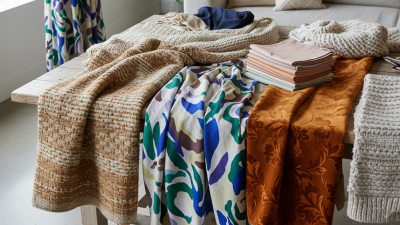
Color trends are evolving alongside consumer desires. Earth tones are becoming more favored. Deep greens, soft browns, and muted blues feature prominently in collections. Buyers are looking for fabrics that reflect personal values. They appreciate unique textures and innovative blends. The tactile experience is not just an afterthought; it’s essential.
Designers are challenged to keep up with these shifts. Balancing style, function, and sustainability isn’t easy. Many struggle to find the right materials. Some may overlook the importance of consumer education. Clarity around fabric choices matters more than ever. As preferences shift, manufacturers must adapt. This evolution will shape the future of textiles, making collaboration crucial.
Top Textile Fabric Trends for 2026
Emerging Colors and Patterns to Watch in Textile Fabrics for 2026
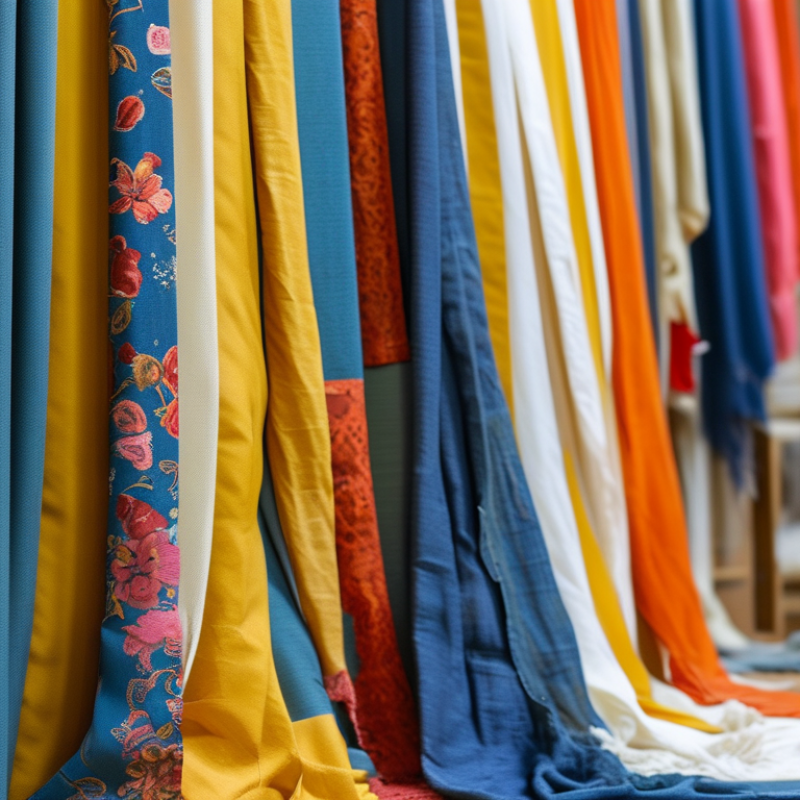
As we approach 2026, the textile industry is expected to witness notable color and pattern trends. Research indicates that earthy tones like terracotta and olive green will dominate the palette. These shades reflect a growing preference for sustainability and a connection to nature. According to a report from the Textile Sustainability Consortium, these colors resonate with eco-conscious consumers, making them significant for textile buyers.
Patterns also play a crucial role in 2026. Geometric designs and organic motifs are gaining traction. Data from the Global Textile Trend Report shows that buyers should focus on versatile prints that work well in various applications. Striking patterns can enhance aesthetic appeal and drive consumer interest.
Tip: Explore digital printing techniques. They allow for customization and quick turnarounds. Staying adaptable to changing trends is essential.
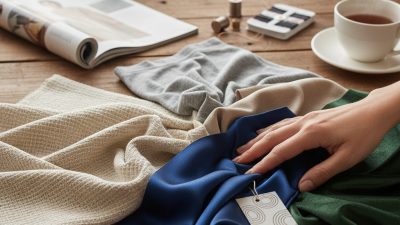
Buyers should also consider the tactile experience of fabrics. Textures like soft brushed finishes and textured weaves will be popular. A report by the International Textile Research Institute suggests that fabric touch influences buying decisions significantly.
Tip: Conduct tactile assessments before purchasing. Engage consumers by understanding their preferences.