Inquiry
Form loading...
Choosing the right Garments Fabric in 2026 requires more than following seasonal color trends. Global buyers must balance comfort, performance, cost, traceability, and responsible production. A fabric may look attractive on a sample card, yet fail after washing, shipping, or repeated wear. The real test begins with practical evidence.
This guide examines cotton, recycled polyester, linen, viscose, blends, and emerging textile options. It considers fiber origin, fabric weight, breathability, stretch recovery, pilling resistance, shrinkage, and colorfastness. Small details matter. A 180 GSM cotton shirt can feel cool in a showroom, but poor finishing may cause twisting after laundering. Buyers should request laboratory reports, production samples, and clear documentation before approving bulk orders. Certifications can support trust, but they do not replace independent checks or factory communication.
Supplier experience also deserves careful attention. Ask how the fabric performs in the intended climate, garment structure, and care process. A lightweight fabric suitable for summer dresses may be unsuitable for workwear or children’s garments. Prices can change with fiber quality, energy costs, order volume, and compliance requirements. Cheap is not always efficient.
No single fabric wins every market. That is the uncomfortable truth. Even experienced buyers can misjudge softness, durability, or consumer preferences. Samples can mislead. Testing reduces risk, but it cannot remove every uncertainty. By comparing verified data with hands-on evaluation, global buyers can make more reliable Garments Fabric decisions for 2026 and beyond.
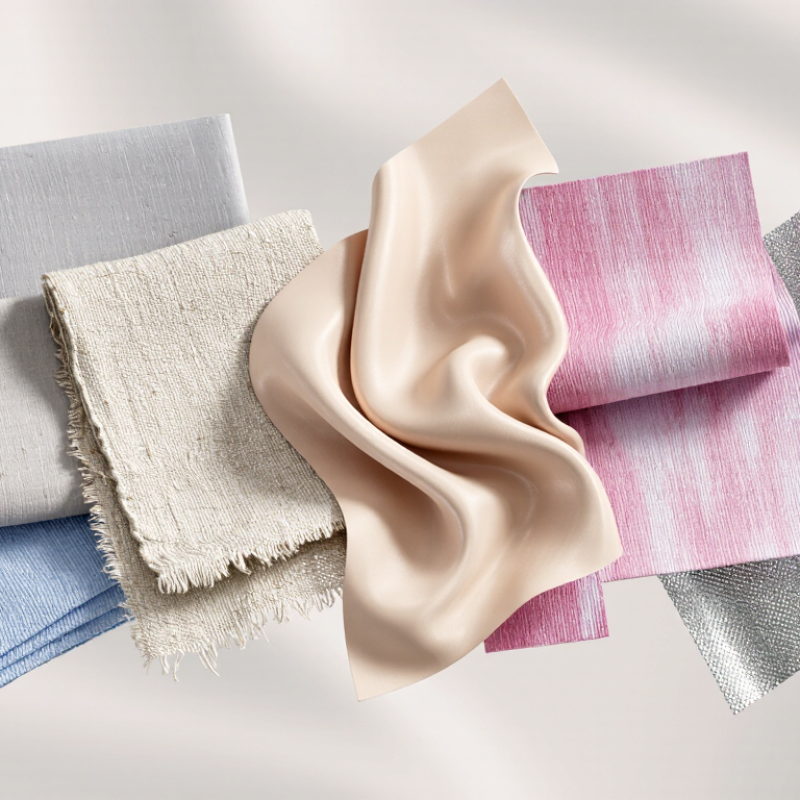
2026 Best Garments Fabric for Global Buyers?
Market Overview: What Makes a Garment Fabric Best in 2026
In 2026, the best garment fabric is not simply the softest or cheapest option. Global buyers are comparing durability, comfort, traceability, and production consistency. Fabric must also match the garment’s purpose. A lightweight woven fabric may suit summer shirts, while dense knit fabric performs better in workwear.
Sourcing teams increasingly examine fiber origin, recycled content, dye performance, and wastewater controls. They request test reports for shrinkage, colorfastness, pilling, seam slippage, and abrasion. A practical fabric should survive repeated washing without losing its shape. It should also remain comfortable against the skin. Small details matter, such as a smooth inner surface or stable width after finishing.
Lower-impact materials are gaining attention, including recycled fibers, responsibly sourced cellulosic fibers, and carefully designed blends. However, a sustainability claim needs evidence. Certificates, transaction records, and factory audits help buyers verify supplier statements. Digital traceability can improve visibility, but data quality still varies between factories.
No fabric wins every test. A recycled blend may reduce virgin material use but complicate recycling later. A natural fiber can feel excellent but crease more easily. Buyers should review the complete product lifecycle, not one attractive feature. Sample testing remains essential. Real production sometimes behaves differently. That is where careful judgment still matters.
A practical comparison of widely used garment fabrics based on performance, sourcing considerations, care requirements, and suitability for international apparel programs.
| Fabric Type | Typical Fiber Composition | Common Garment Weight | Moisture Regain* | Breathability 1–5 |
Durability 1–5 |
Care & Drying | Key Sustainability Consideration | Best-Fit Garments | Global Buyer Suitability 1–5 |
|---|---|---|---|---|---|---|---|---|---|
| Organic Cotton | 100% cotton; certified organic cultivation where applicable | 120–240 g/m² | Approx. 8.5% | 4 | 4 | Machine washable; may shrink without controlled finishing | Organic production can reduce synthetic agrochemical use; water and land impacts still depend on region and farming practice | T-shirts, casualwear, underwear, children’s apparel | 5 |
| Recycled Polyester | Usually recycled PET; often blended with elastane or other fibers | 80–220 g/m² | Approx. 0.4% | 3 | 5 | Quick drying; low shrinkage; wash at lower temperatures where suitable | Uses recovered polymer feedstock, but remains fossil-derived and can release microfibers during washing | Sportswear, outerwear, uniforms, performance basics | 5 |
| Lyocell | Regenerated cellulose from wood pulp; often used in woven or knitted form | 100–220 g/m² | Approx. 11–13% | 5 | 4 | Gentle machine wash; avoid excessive heat and abrasion | Efficient solvent recovery is important; responsible forestry and verified supply chains are key | Dresses, shirts, soft tailoring, loungewear | 5 |
| Hemp Blend | Typically hemp blended with cotton, lyocell, or recycled fibers | 140–280 g/m² | Approx. 8–12% | 4 | 5 | Washable; softens with use; may crease and require controlled finishing | Can require fewer agricultural inputs than some conventional fibers, but impacts vary by farm and processing route | Shirts, trousers, jackets, relaxed resortwear | 4 |
| Linen | Flax fiber; commonly 100% linen or blended with cotton or viscose | 120–250 g/m² | Approx. 12% | 5 | 4 | Washable; wrinkles naturally; excessive tumble drying may weaken fibers | Flax can grow with relatively low irrigation in suitable climates; retting and processing determine overall impact | Summer shirts, dresses, trousers, home-to-resort apparel | 4 |
| Recycled Nylon | Recycled polyamide from pre-consumer or post-consumer sources | 70–180 g/m² | Approx. 4% | 3 | 5 | Quick drying; good abrasion resistance; protect from high heat | Reduces demand for virgin nylon, while remaining synthetic and dependent on traceable recycled feedstock | Swimwear, activewear, lightweight outerwear, bags | 4 |
| Merino Wool | Fine animal hair fiber; commonly blended for strength and shape retention | 120–260 g/m² | Approx. 14–18% | 4 | 4 | Usually requires gentle washing; air drying helps preserve shape | Renewable and biodegradable fiber; animal welfare, land use, methane, and processing must be assessed | Base layers, knitwear, travelwear, temperature-regulating apparel | 4 |
| Recycled Cotton Blend | Recycled cotton blended with virgin cotton or stronger regenerated and synthetic fibers | 150–300 g/m² | Approx. 8.5% | 4 | 3 | Washable; blend ratio affects pilling, strength, and shrinkage | Supports textile waste reduction, but short recycled fibers often require blending and may limit future recyclability | Sweatshirts, denim, casual trousers, workwear | 4 |
Notes: Moisture regain figures are typical textile-fiber values at standard atmospheric conditions and can vary with blend ratio, finishing, and test method. Breathability, durability, and global buyer suitability scores are comparative buyer-planning ratings rather than laboratory results or market-share statistics.
For 2026 sourcing decisions, buyers should verify fiber composition, fabric GSM, colorfastness, pilling, dimensional stability, restricted substances, traceability, social compliance, and applicable destination-market labeling requirements before production.