Top 10 Types of Free Fabric for Global Sourcing?
Global fabric sourcing often begins with a simple question: where can reliable material be obtained without a high purchase price? This guide examines the Top 10 Types of Free Fabric available through samples, surplus stock, donations, reclaimed textiles, and supplier promotions. The term “free” needs careful interpretation. It may describe fabric with no invoice price, not free delivery, testing, storage, or customs handling.
A practical sourcing decision should compare fiber content, fabric weight, width, color consistency, minimum order quantity, and remaining stock. For example, a free cotton sample may suit product testing, while a surplus polyester roll may support a small production run. Always request clear photographs, GSM details, batch information, and a physical swatch. Small checks prevent expensive surprises.
Documentation matters. Responsible buyers should verify supplier identity, material claims, chemical safety information, and relevant import requirements before shipment. Recycled or donated fabric can reduce waste, but its condition may vary across rolls. Free Fabric is not automatically sustainable or commercially suitable. That assumption deserves challenge. A useful review should also consider transport distance, packaging, labor practices, and disposal options. Industry standards and independent laboratory testing can strengthen confidence, especially for children’s products, home textiles, and garments touching skin. Some recommendations may fail when local markets, climates, or customer expectations differ. That is why this list treats free materials as sourcing opportunities, not guaranteed bargains. The best choice balances cost, performance, traceability, and realistic supply continuity.
Define “Free Fabric” and the 10-Type Taxonomy for Global Sourcing
Top 10 Types of Free Fabric for Global Sourcing?
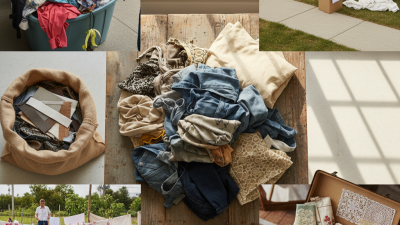
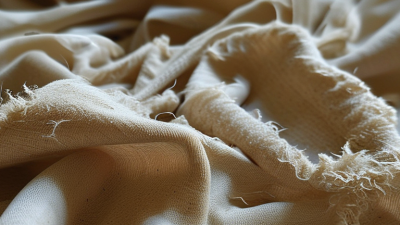
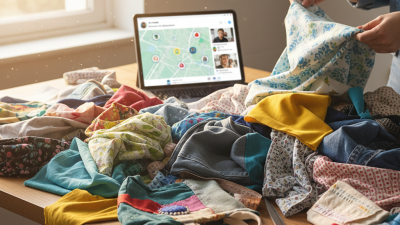
In global sourcing, “free fabric” rarely means fabric with no cost. It usually means available material released from excess, leftover, or discontinued production. A practical ten-type taxonomy includes mill overruns, cutting remnants, production offcuts, canceled-order stock, deadstock, sample yardage, warehouse surplus, reclaimed vintage fabric, recycled-fiber fabric, and damaged-but-usable rolls. Each type needs different checks. For example, cutting remnants may suit small accessories, while full surplus rolls can support larger production runs. A roll with uneven dyeing may still work for prototypes, but not for uniform garments. Fabric condition, width, weight, fiber content, colorfastness, and available quantity should be recorded before negotiation.
Tips: Ask for roll photos, inspection reports, and original specifications. Request a small sample first. Confirm whether quantities are fixed or replenishable. Keep batch numbers and shipment records. This simple evidence improves traceability across suppliers and factories. It also exposes weak information early, before cutting begins.
The taxonomy is useful, but not perfect. One roll may fit several categories, especially when surplus fabric includes minor defects. My sourcing experience suggests separating “low-cost” from “free,” because storage, testing, transport, and handling still create expenses. Buyers should also clarify ownership, usage rights, and material declarations through written commercial documents. Do not assume reclaimed fabric has consistent performance. A soft hand feel can hide shrinkage, odor, or weakened yarns. Small tests often reveal more than attractive price sheets.
Synthetic Fabrics: Polyester, Nylon, and Acrylic—57% Polyester, Textile Exchange
Synthetic fabrics remain central to global fabric sourcing.
According to Textile Exchange, polyester represented 57% of global fiber production. That share matters for buyers planning large, consistent orders.
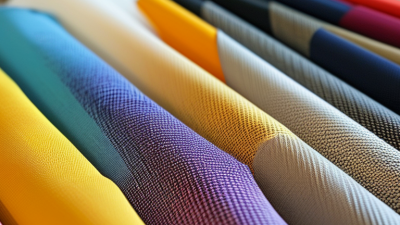
Polyester offers low weight, quick drying, and broad price flexibility. It works well in uniforms, sportswear, linings, and home textiles.
Nylon provides stronger abrasion resistance and a smoother hand feel. Acrylic can imitate wool while reducing material weight and cost.
For global buyers, the fiber name is only a starting point. Ask mills for composition records, performance tests, and production samples. Recycled polyester also needs traceable documentation, not just a claim on a product sheet. Check pilling, colorfastness, shrinkage, and seam strength. Small defects become expensive.
I have seen buyers approve fabric under showroom lighting, then reject it after washing. That assumption fails.
Polyester may hold odor in close-fitting garments.
Nylon can show heat damage during pressing.
Acrylic may pill when rubbed against rough surfaces.
A reliable specification should state fiber content, fabric weight, width, finish, and test method. Do not rely on touch alone. One wash test reveals much.
Cost pressure still changes decisions. Sometimes the cheapest fabric is not the most practical choice. Procurement teams should compare service life, care requirements, and defect risk before confirming an order.
Regenerated Fabrics: Viscose and Lyocell—6% MMCF, Textile Exchange
Regenerated fabrics deserve closer attention in global sourcing. Viscose and lyocell are made from dissolved wood-based cellulose, unlike conventional petroleum-based synthetics. Textile Exchange data places these materials within the 6% share of man-made cellulosic fibres (MMCF). That figure is modest, but interest is growing.
Viscose usually offers a soft handfeel, fluid drape, and strong colour depth. It suits dresses, linings, shirts, and lightweight home textiles. Lyocell often feels smoother and performs better when wet. Its closed-loop production approach can also support more controlled chemical recovery. However, neither fibre is automatically responsible. Forest origin, processing records, wastewater treatment, and fibre yield require careful verification. A fabric can feel excellent and still lack reliable traceability. That is an uncomfortable sourcing gap.
Tips: Request fabric swatches before ordering bulk quantities. Check shrinkage after washing, especially with lightweight viscose. Ask for fibre-content documents and chain-of-custody evidence. Compare dry and wet strength by handling the sample carefully. Small tests help.
Low prices can hide quality issues. A cheaper roll may show uneven dyeing, surface pilling, or unstable width after finishing. Sourcing teams should record fabric weight, weave, finish, and test results in one shared specification. I would also leave room for revision. Early assumptions are often wrong. Weather, finishing equipment, and transport conditions can change the final handfeel.
Compare All 10 by UN Comtrade Value, MOQ, GSM, and Certifications
Global sourcing needs more than a low sample price. UN Comtrade 2023 data uses HS-based proxies, because fabric types rarely match one tariff line. Cotton woven fabric ranked very high, at roughly US$22–28 billion in global imports. Typical MOQ is 300–1,000 metres, with 100–220 GSM options. Common evidence includes GOTS or OEKO-TEX certification. Polyester woven fabric reached an estimated US$18–24 billion, with 500–2,000 metres and 60–180 GSM. Recycled polyester often requires GRS documentation.
Viscose or rayon fabric represented approximately US$8–12 billion in related trade lines. MOQ commonly starts near 500 metres, with 80–180 GSM and FSC-based or OEKO-TEX evidence. Nylon fabric reached about US$6–9 billion, usually requiring 500–1,500 metres and 70–200 GSM. Wool fabric traded near US$4–6 billion, with 300–800 metres and 150–400 GSM; RWS certification may support sourcing claims. Linen fabric showed roughly US$2–4 billion, with 300–700 metres and 120–280 GSM. Acrylic, hemp, spandex blends, and recycled fabrics require more caution. Their values are often mixed inside broader HS categories. Indicative ranges are US$2–4 billion for acrylic, US$0.3–0.8 billion for hemp, and under US$3 billion for spandex-blend proxies. MOQs usually range from 300 to 2,000 metres. GSM varies widely, from 60 to 350. Relevant documents may include GRS, GOTS, or OEKO-TEX.
Textile Exchange reported polyester at 57% of global fibre production in 2023, while cotton represented 22%. That scale does not guarantee the best purchase. Always verify test reports, fibre content, shrinkage, and certification scope before approving bulk production.
Top 10 Types of Free Fabric for Global Sourcing
Comparison by indicative UN Comtrade trade value, typical MOQ, GSM, and commonly used certifications
The chart compares ten fabric categories using rounded 2023 global import-value benchmarks mapped to relevant UN Comtrade HS headings. MOQ and GSM are typical sourcing ranges rather than universal requirements, because they vary by supplier, construction, finish, color, and order specifications. Certification figures represent the number of commonly requested certification schemes applicable to each category, including OEKO-TEX, GOTS, GRS, FSC, RWS, and bluesign®.