How to Choose the Right Fabric Comp for Your Business Needs?
In the dynamic world of textiles, selecting the appropriate Fabric Comp can significantly impact business performance. According to industry expert Dr. Richard Mason, “The right fabric composition is the foundation for successful products.” His insight highlights the importance of understanding different fabric properties and their applications.
Choosing the right Fabric Comp is not just a technical decision. It requires a clear understanding of your specific market needs. Each fabric type offers unique qualities, from durability to comfort. Companies often struggle with this decision, leading to suboptimal choices that can affect product demand and customer satisfaction.
Reflecting on the available options, it becomes evident that extensive research is crucial. Not all fabrics serve every purpose effectively. Engaging with professionals who have hands-on experience can provide valuable guidance. This knowledge can help businesses identify the most suitable fabrics for their needs, enhancing overall quality and market success.
Understanding Different Types of Fabric Comps and Their Applications
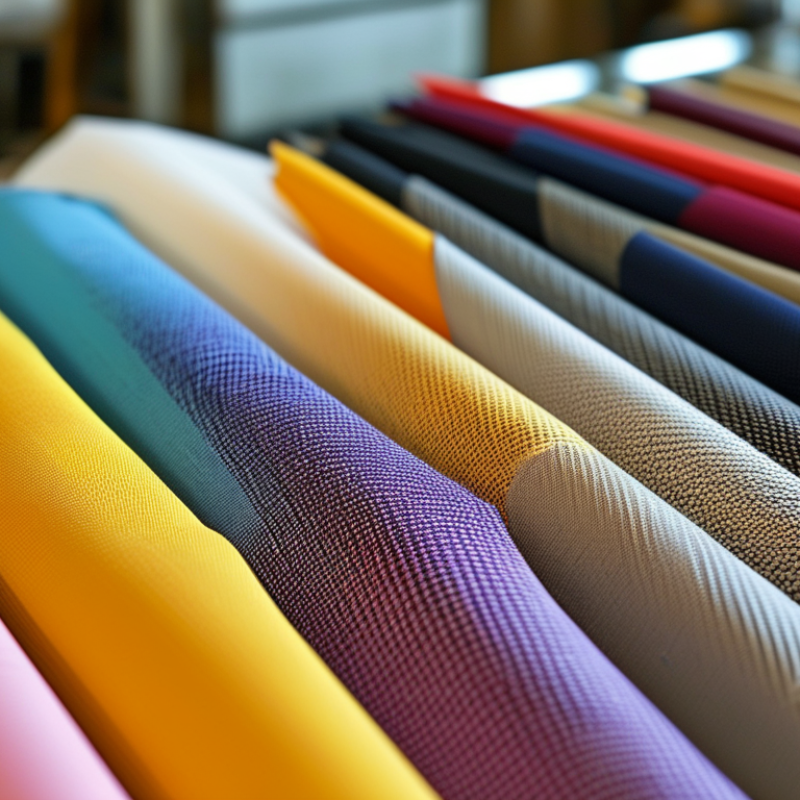
When selecting fabric comps for your business, understanding their types and applications is crucial. Different fabrics serve distinct purposes. Cotton, for example, is breathable and ideal for casual wear. Polyester is durable and versatile, perfect for sportswear. Wool offers warmth, making it suitable for winter collections. Each fabric has strengths and weaknesses that impact your choice.
Consider the specific needs of your target market. This can significantly affect the performance of your products. If your audience values sustainability, explore organic cotton or recycled materials. Remember, a trendy fabric may not meet the durability your products require. All fabric choices have trade-offs.
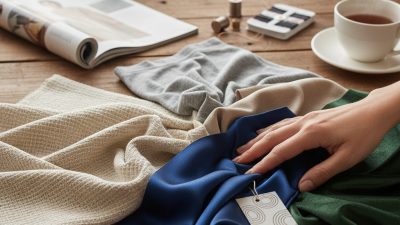
**Tips:** Always request samples to see how a fabric feels and performs. Evaluate the texture, weight, and stretch. These are vital for customer satisfaction. Also, assess the fabric's care requirements. Fabrics that are easy to maintain often appeal more to consumers. Sometimes, fabric choices can reveal more about your brand's values than you might expect.
How to Choose the Right Fabric Comp for Your Business Needs?
| Fabric Type |
Composition |
Properties |
Applications |
Care Instructions |
| Cotton |
100% Cotton |
Breathable, Durable |
Clothing, Home Textiles |
Machine wash, Iron on low |
| Polyester |
100% Polyester |
Wrinkle-resistant, Quick-drying |
Activewear, Outdoor Gear |
Machine wash, Do not iron |
| Wool |
100% Wool |
Insulating, Moisture-wicking |
Coats, Sweaters |
Dry clean only |
| Silk |
100% Silk |
Luxurious, Soft |
Dresses, High-end Linens |
Hand wash with care |
| Linen |
100% Linen |
Strong, Absorbent |
Summer Clothing, Home Decor |
Machine wash, Iron while damp |
Evaluating Fabric Composition and Performance for Industry Standards
Choosing the right fabric composition is crucial for any business, particularly when considering industry standards. Fabrics can widely vary in composition, including natural fibers like cotton or wool and synthetic options like polyester. Each type has distinct characteristics that can significantly impact performance. Businesses must evaluate factors like durability, breathability, and maintenance requirements.
Performance metrics play an essential role in this evaluation. For instance, understanding moisture-wicking capabilities can aid in selecting fabrics used in activewear. Additionally, knowing how a fabric performs under various conditions, such as high temperatures or pressure, can be vital for specific industries. However, not all fabrics live up to their promises. Sometimes, even popular choices may not perform well in real-world applications.
It’s important to gather feedback from users and conduct hands-on testing. An ideal fabric must withstand regular use while offering comfort and support. Companies might find that what looked good on paper does not hold up in practice. Continuous reassessment of chosen fabrics can lead to better outcomes. Striving for excellence in material choices is an ongoing journey, where mistakes can lead to valuable insights.
Fabric Composition and Performance Evaluation
This chart displays the tensile strength and moisture absorption rates of various fabric compositions commonly evaluated in the textile industry. Understanding these metrics is crucial when selecting the right fabric for specific business applications.
Analyzing Cost-Effectiveness and Budget Constraints for Fabric Selection
When evaluating fabric options for your business, cost-effectiveness is key. Every dollar counts, especially for smaller enterprises. Start by analyzing your budget constraints. Identify how much you can afford to spend per yard or per roll. This will narrow down your options and prevent overspending. Remember, lower cost does not always indicate lower quality.
Tip: Compare prices from multiple suppliers. Create a spreadsheet to track costs and qualities of different fabrics. This approach helps visualize your spending. Sometimes, spending a bit more upfront pays off in durability and customer satisfaction.
Consider the long-term impact of your choices. Cheaper fabrics may require frequent replacement. Assess your business needs for the next few years. Are you likely to expand? Will your current fabric choices still fit your brand vision?
Tip: Keep an eye on trends, but do not get swayed by every new arrival. Trends can impact costs rapidly, leading to rushed decisions. Reflect on past purchases. Were they successful? What lessons did you learn?
By paying attention to these aspects, you can make informed choices that align with both your budget and business goals.
Considering Environmental Impact and Sustainability in Fabric Choices
When selecting fabrics for your business, consider their environmental impact. Sustainable fabric choices can significantly reduce your carbon footprint. Opt for materials that are organic or recycled. These options often use less water and energy during production. For example, organic cotton requires no harmful pesticides. Recycled polyester diverts waste from landfills, making it a good choice.
The aesthetic appeal of fabric should not compromise sustainability. Some high-quality fabrics may still have environmental concerns. Identify certifications like GOTS or OEKO-TEX, which ensure responsible sourcing. However, these labels can sometimes be misleading. Not all fabrics claiming sustainability meet rigorous standards, so research is essential. Engage with suppliers who prioritize transparency and ethical practices.
Reflecting on your choices is crucial. A beautiful fabric may not always align with sustainable principles. Consider the lifecycle of the material. How is it produced? What happens after its use? These questions help in making informed decisions. A commitment to sustainability involves continuous learning and adaptation.
Exploring Trends in Fabric Technology and Innovations for Business Needs
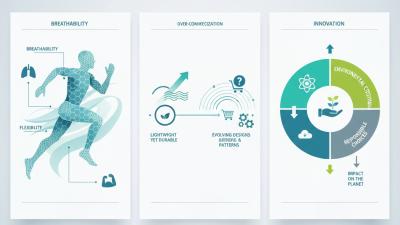
Choosing the right fabric for your business can be daunting. With the rapid evolution in fabric technology, understanding the latest trends is crucial. Innovations like moisture-wicking materials and eco-friendly fabrics are transforming the industry. These advancements improve product performance and align with consumer desires for sustainability.
Tips for selecting fabric include evaluating your target audience's needs. Consider functionality and durability, as these aspects impact customer satisfaction. Test samples under different conditions to see how they respond. Additionally, stay updated on industry trends through conferences and online resources. This knowledge will help you make informed decisions.
Don't overlook the importance of supplier reliability. Choose partners who prioritize quality and have a solid reputation. An unreliable supplier may affect your production schedule. Always communicate your expectations clearly. Recognize that fabric choices may evolve over time, and remain open to adapting as new innovations emerge.