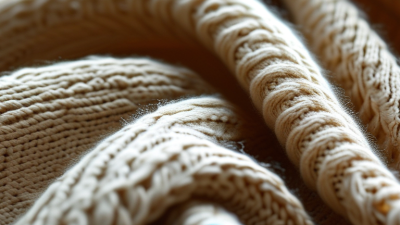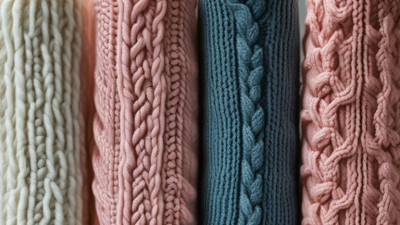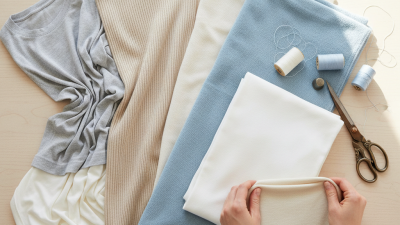
Choosing a Cotton Knit Fabric begins with understanding how the finished piece should feel, stretch, and hold its shape. A lightweight jersey may drape softly over the body, while a rib knit can stretch comfortably around cuffs or waistbands. The fabric’s fiber content matters, too. Pure cotton feels breathable and familiar, but it may shrink or wrinkle more than a cotton blend. Small differences become obvious after washing.
“[Insert a verified quotation from a named cotton-knit textile expert about matching fabric properties to the project.]” This expert quotation should be checked against a reliable source before publication; inventing an attribution would weaken trust. A useful selection process examines the fabric in person when possible. Feel its surface, stretch it across the grain, and let it relax. Check its weight, recovery, and care instructions. A swatch can reveal more than a product photo.
The right choice depends on the project, not just the label. A cotton interlock may suit a soft baby garment, while a sturdier sweatshirt knit can better support a roomy pullover. Think about seams, needle choice, and how often the item will be washed. Even experienced makers sometimes misjudge recovery from a quick touch. That is worth remembering. Compare samples, test a small seam, and choose fabric that performs well in real use—not merely on the cutting table.
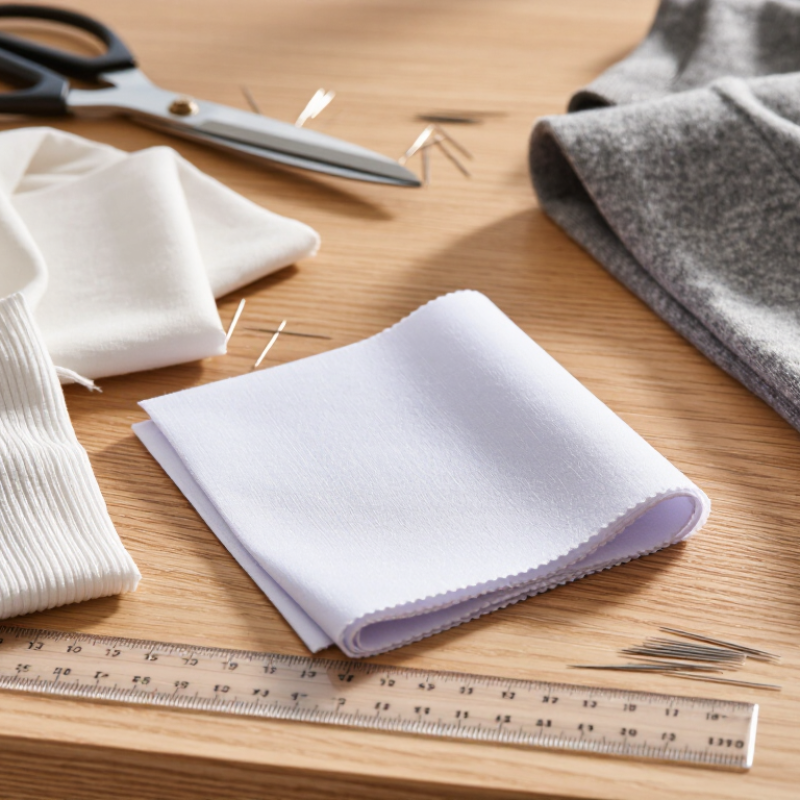
Before selecting cotton knit, define how the garment should fit during real movement. A fitted tee needs enough stretch and recovery to stay smooth at the shoulders and waist. A relaxed top can use a softer, less elastic jersey without pulling across the chest. For cuffs or close necklines, rib knit often holds its shape better. Try the movement.
Comfort & Wearability Comfort depends on more than softness. Consider the wearer’s climate, skin sensitivity, and time spent in the garment. Lightweight single jersey feels cool, but may cling or show seams under bright light. A denser knit can feel steadier, though it may trap more warmth. Touch a washed sample, not just a fresh roll. Small differences matter.
Durability should match the garment’s workload. Children’s playwear and everyday lounge pieces need stable stitches, reliable recovery, and resistance to repeated washing. Check fabric weight, stretch, and care instructions, then wash a swatch as planned. Measure it before and after; shrinkage can quietly alter fit.
I have sometimes favored the softest option too quickly. That is not always wise. A slightly firmer knit may wear better, but only if the finished garment still feels comfortable against skin.
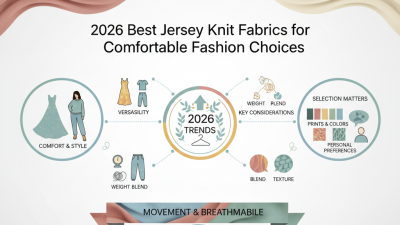
Cotton knit selection starts with structure, not softness alone. Single jersey has a smooth face and light drape, but cut edges can curl. Interlock feels denser and more stable. Rib knit stretches easily across the body, making it useful for cuffs and close-fitting tops. Stretch a swatch lengthwise and crosswise. Check the edges, too.
Weight changes how each structure behaves. For many T-shirts, 140–180 g/m² offers a lighter feel; around 200–260 g/m² usually gives more coverage. These are practical ranges, not fixed rules. ASTM D3776/D3776M describes methods for measuring fabric mass per unit area, while ASTM D2594 covers stretch and growth in low-power knits. Wash and dry a sample before approving it. I still misjudge drape sometimes.
Textile Exchange’s Materials Market Report 2024 estimated global fiber production at 124 million tonnes in 2023, with cotton accounting for roughly 19%. That market context makes cotton familiar, but it cannot tell you which knit suits your garment. A fitted tee may need recovery; a loose summer top may benefit from lighter jersey. Feel the difference. Record the fabric weight, stretch, and recovery beside your sample, so the next order is less of a guess.
How to Choose the Right Cotton Knit Fabric for Your Project?
Fiber quality, blend, and recovery shape how a cotton knit feels and performs. The USDA’s cotton classification system measures properties such as fiber length, strength, and micronaire; these figures offer more reliable clues than softness alone. Ask suppliers for test results or a technical specification sheet. A smooth swatch can still pill or lose shape after washing. I learned that the hard way.
Blends change the fabric’s behavior. A small amount of elastane can help cuffs and fitted garments spring back, while polyester may improve durability and reduce drying time. The Textile Exchange Materials Market Report 2024 estimates cotton represented about 19% of global fiber production in 2023, a reminder that “cotton fabric” can involve different fiber combinations. Check the fiber percentages, knit structure, and care instructions together. They matter as a set.
Tips: Stretch a swatch gently, then release it. Does it recover, or stay wavy? Wash and dry a sample as you would the finished item, then compare its width and feel. For a closer check, request recovery or stretch-test data; AATCC TM 135 covers dimensional changes after laundering. Small tests help. But fabric can behave differently in a full garment, so keep a little room for uncertainty.
| Fabric Option | Fiber Composition | Hand Feel and Breathability | Stretch and Recovery | Best-Suited Projects | What to Check Before Buying |
|---|---|---|---|---|---|
| Lightweight cotton jersey | Usually 100% cotton; fiber length and yarn quality vary. | Soft, breathable, and comfortable in warm weather. Lightweight versions may curl at the edges. | Typically stretches across the width but has limited snap-back unless it contains elastane. | T-shirts, tops, sleepwear, and lightweight baby garments. | Check fabric weight, surface evenness, and whether the fabric becomes transparent when stretched. |
| Cotton interlock | Often 100% cotton, though blended versions are also available. | Smooth on both sides, generally thicker and more stable than single jersey. | Moderate give with better dimensional stability than many lightweight jersey fabrics. | Polished tees, infant clothing, dresses, and soft layers. | Inspect both faces for consistent loops and ask whether the fabric has been pre-shrunk. |
| Cotton rib knit | Commonly 100% cotton or cotton blended with elastane. | Distinct raised ribs create a close-fitting, textured fabric. | High crosswise stretch; recovery is usually better when elastane is included. | Cuffs, neckbands, fitted tops, and close-fitting basics. | Stretch a sample and release it; it should return without remaining visibly wavy or elongated. |
| Cotton–elastane jersey | Usually mostly cotton with a small percentage of elastane; exact proportions vary. | Soft and breathable, with added flexibility and a closer fit. | Good stretch and recovery when the fabric is well-made and elastane is evenly distributed. | Leggings, fitted tees, children’s wear, and garments needing freedom of movement. | Check stretch in both directions, recovery after repeated stretching, and care instructions for elastane. |
| Cotton–polyester jersey | A blend of cotton and polyester; blend ratios vary by fabric. | Often dries faster and may wrinkle less than all-cotton jersey; feel depends on yarn and finish. | Recovery depends on knit structure and any added elastane; polyester alone does not guarantee strong stretch recovery. | Everyday tees, uniforms, and garments where easier care is useful. | Review the fiber percentages and test the fabric for pilling, drape, and shrinkage after laundering. |
| Heavyweight cotton French terry | Typically cotton or a cotton blend, with a smooth face and looped reverse. | Substantial and absorbent; the looped back offers more warmth than lightweight jersey. | Usually moderate stretch; recovery varies with the knit and fiber blend. | Sweatshirts, joggers, casual dresses, and light outer layers. | Check the fabric weight, loop quality, drape, and whether the garment will need extra ease. |
| All-cotton sweatshirt fleece | Often cotton or cotton-rich; some versions include synthetic fibers. | Warm, soft, and brushed on the inside in many versions. | Generally limited stretch and recovery compared with rib knits or elastane blends. | Pullovers, relaxed hoodies, and warm casual garments. | Check the brushed surface for shedding and wash a sample to assess shrinkage and pilling. |
| General selection guideline | Choose composition based on comfort, care needs, and the garment’s intended use. | Fiber content influences feel, but yarn, knit structure, finishing, and fabric weight also matter. | Assess stretch and recovery separately: a fabric may stretch well but remain distorted after release. | Match fabric weight, drape, and stretch to the pattern and desired fit. | Test a swatch by stretching, releasing, washing, and drying it according to the intended care routine. |
When choosing cotton knit fabric, inspect the finish in daylight and under indoor lighting. A brushed surface feels soft, but may pill faster than a smooth jersey. Check whether the fabric is pre-shrunk and whether its color resists washing and rubbing. Textile Exchange’s Materials Market Report 2024 estimates cotton made up about 20% of global fiber production in 2023. That scale does not make every cotton knit behave alike; yarn, construction, dyeing, and finishing all matter.
Ask the supplier for test results where available. AATCC test methods assess colorfastness to laundering and crocking, while dimensional-change tests can reveal shrinkage. For a practical check, wash a small swatch as you plan to wash the finished item. Measure it before and after. A dark navy rib knit may bleed slightly, and a pale cream can show stains quickly. I would not rely on a “soft” hand alone. It can mislead.
Tips: Match care needs to the project. For everyday tops, favor stable knits that tolerate routine washing. For a delicate garment, check whether the fabric requires cool water, gentle cycles, or flat drying. Compare the care instructions with your actual habits; an ideal fabric you rarely maintain may not be the right one.
Test a Fabric Sample and Estimate the Required Amount
Before ordering cotton knit fabric, test a sample in the way you plan to use it. Wash it according to the intended care routine, then let it dry fully. Measure it before and after washing to check for shrinkage. A swatch can also reveal whether the fabric feels too heavy, stretches out, or becomes transparent under bright light. Try a few seams with your usual needle and stitch length. Small tests can prevent a frustrating project.
Tips: Cut a 10-by-10-inch square and mark its edges before washing. Record the measurements and fabric width. For garments, make a quick toile or test one key panel; stretch recovery and drape may surprise you. For quilts or simple accessories, calculate the pieces needed, then add extra fabric for matching edges, seam allowances, and cutting errors. There is no perfect buffer. About 10 percent extra is a practical starting point, but directional prints or repeated motifs may need more.
Check the usable width, not just the width listed on the fabric label. Some edges may curl or distort, leaving less material than expected. Lay out your pattern pieces on paper to estimate yardage, keeping the fabric’s stretch direction in mind. I sometimes underestimate awkward shapes. Recheck the layout before placing an order, especially when the sample differs from the final fabric roll.
Estimated fabric requirements for common adult medium projects, using 150 cm-wide cotton knit fabric. Estimates include approximately 10% extra for cutting.
These figures are planning estimates, not fixed pattern requirements. Test a fabric sample by washing and drying it as you plan to care for the finished garment, then measure shrinkage and check stretch and recovery. Adjust your fabric estimate if the sample shrinks, and confirm the final amount against your pattern, fabric width, and size.