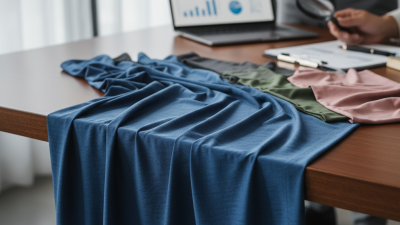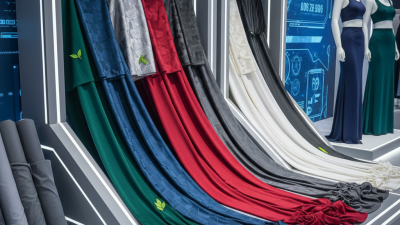
Choosing the right Recycled Fabric supplier requires more than comparing prices or browsing attractive product photos. A dependable partner should demonstrate consistent quality, clear sourcing records, and practical knowledge of textile production. Ask where the fibers come from, how materials are sorted, and whether recycled content claims are supported by recognized certifications such as GRS or RCS. Documents matter. So do real samples.
Examine fabric weight, hand feel, stretch recovery, color consistency, and seam performance. A small sample can reveal uneven dyeing, loose fibers, or unexpected shrinkage after washing. Request test reports for colorfastness, pilling, abrasion, and dimensional stability. Confirm whether these reports match the actual fabric, not an older production lot. That detail is easy to miss.
Communication also shows a supplier’s reliability. Can the team explain minimum order quantities, lead times, packaging, and production limits clearly? A professional supplier should discuss weaknesses instead of promising everything. No supplier is perfect. Even certified factories may face delays, shade variation, or recycled fiber limitations. That reality deserves attention.
Visit the facility when possible, or arrange a verified third-party audit. Review worker safety, waste handling, quality controls, and batch traceability. Ethical purchasing requires evidence, not polished language. A trial order is often wiser than a large commitment. Track delivery accuracy and fabric performance before expanding cooperation. The cheapest option may become expensive after returns, rework, or missed launch dates. Choose the supplier that combines transparency, technical competence, and steady performance. Reliability grows through careful verification, not assumptions.
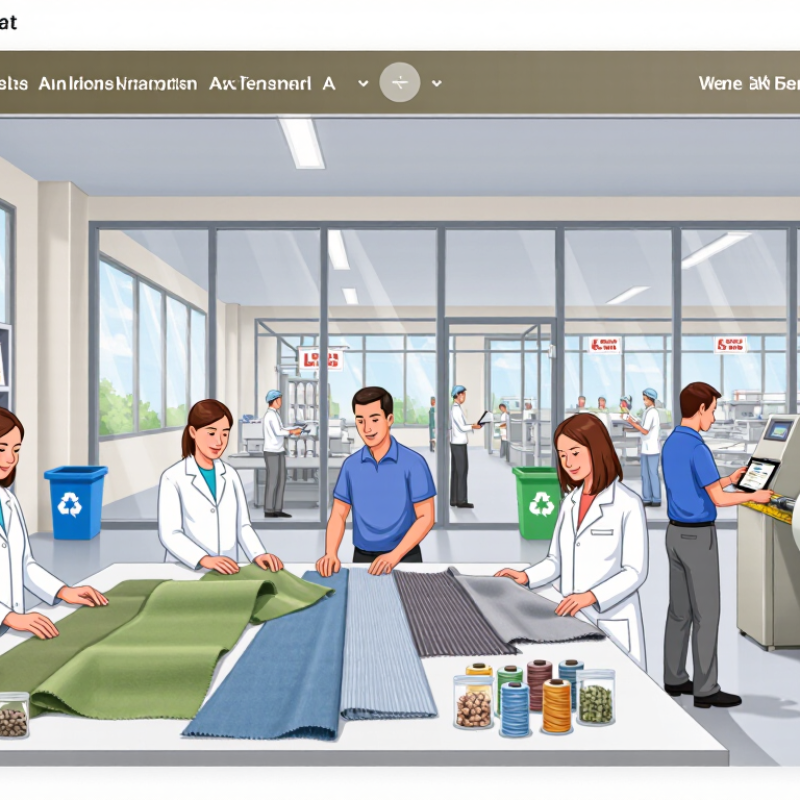
Before choosing a recycled fabric supplier, define the material you actually need. Record fiber type, recycled content, fabric weight, width, stretch, color, finish, and intended use. A sports shirt may require moisture management, while a tote bag may prioritize abrasion resistance. Textile Exchange reported that recycled polyester represented about 14% of global polyester production in 2022. The figure sounds encouraging, but it also shows that most polyester remains non-recycled. Your target should be measurable, not merely “eco-friendly.”
Set sustainability goals that suppliers can verify. Specify post-consumer or pre-consumer inputs, acceptable blends, recycled content percentages, and traceability documents. Request certification scopes, transaction records, laboratory test results, and information about the waste source. The Textile Exchange Materials Market Report 2024 estimated global fiber production at 124 million tonnes in 2023. This scale makes supplier transparency essential. I have found that a low-impact claim can become vague when purchasing teams ignore dyeing, finishing, packaging, or transport. That weakness deserves review.
Tips: Build a one-page requirement sheet before contacting suppliers. Ask for a sample, GSM report, colorfastness results, and a recent production lot. Compare identical specifications, not attractive claims. Leave room for failed tests. Real development rarely runs perfectly. Also ask whether the supplier can maintain the same recycled input across repeat orders. A cheaper fabric may create more waste if its shade or strength changes between batches.
How to Choose the Best Recycled Fabric Supplier?
Choosing a recycled fabric supplier begins with the material, not the sales promise. Ask whether the yarn comes from post-consumer or pre-consumer waste. Request fiber composition, production records, and recent test reports. A clear answer should identify collection, sorting, spinning, and finishing stages. Ask for evidence. I once trusted polished documents too quickly, and that was a mistake. The fabric looked responsible, but its recycled content was not explained clearly.
Check certifications carefully. Confirm the certificate holder, scope, site address, validity dates, and covered products. A certificate alone is not proof. Contact the issuing body through its official verification channel when possible. Compare certificate details with invoices, lot numbers, and test results. Small mismatches deserve attention, even when the supplier seems experienced. Do not guess.
Traceability should survive a factory visit or a sample review. Ask for a transaction record linking incoming waste to the finished fabric roll. Batch codes, warehouse logs, and purchase orders can reveal gaps. Request a sample from the same production lot, then compare its weight, color, and composition with the report. Keep written answers and review them with your quality team. Perfect paperwork is rare. Still, unclear gaps should delay approval until the supplier explains them.
Verify the supplier’s recycled-material content, certification scope, and transaction-level traceability. The chart compares the minimum recycled-content thresholds defined by two widely used recycled-textile standards.
The Recycled Claim Standard requires at least 5% recycled content, while the Global Recycled Standard requires at least 20%. Ask suppliers for a valid scope certificate, product-specific documentation, and transaction certificates that connect the certified material to each shipment.
Choosing a recycled fabric supplier requires more than checking recycled content percentages. Textile Exchange’s Materials Market Report 2024 reports that global fiber production reached about 124 million tonnes in 2023. Recycled polyester represented roughly 14% of polyester output. This growth makes quality control more important, not less.
Ask suppliers for fiber composition records, recycled-content certificates, and batch-level traceability. Then request fabric samples from different production lots. Check weight, width, stretch recovery, abrasion resistance, pilling, and colorfastness. Standards such as ISO 12945 for pilling and ISO 105 for colorfastness create useful comparison points. In my experience, a smooth first sample can hide weak recovery after repeated washing. Test the fabric after at least five wash cycles.
Performance must match the product’s real use. A recycled polyester fabric for sportswear needs moisture management, tensile strength, and dimensional stability. A lining fabric needs softness, low snagging, and reliable color transfer resistance. The supplier should explain knitting or weaving limits, dyeing capacity, minimum order quantities, lead times, and monthly output. Production flexibility matters when a color fails approval. It also exposes weaknesses.
Ask for recent test reports from independent laboratories. Confirm the test method, sample date, and production batch. Reports without traceable details are incomplete. I would also compare pilot-run results with bulk production results. They often differ slightly, and that gap deserves honest discussion. Textile Exchange’s report also notes that recycled feedstock availability remains uneven, so stable sourcing should be treated as a capability, not a promise.
How to Choose the Best Recycled Fabric Supplier?
Pricing is only the starting point. Ask for a detailed quote covering fabric weight, width, dyeing, testing, packaging, and delivery terms. A low price may hide costly setup fees or inconsistent recycled content. Request a sample before comparing offers. Touch the fabric, check recovery after washing, and measure shade variation under daylight. Minimum order quantities also deserve careful attention. A large minimum can trap cash in slow-moving colors. A smaller trial order may cost more per meter, but it reduces inventory risk. Negotiate a pilot quantity with clear quality requirements.
Lead times should be written in calendar days, not vague promises. Confirm approval time, production time, inspection time, and shipping time separately. Ask what happens if recycled yarn is delayed. Good suppliers explain their backup plans without avoiding difficult questions. Communication matters daily. Notice how quickly they answer technical details. Do they send updated specifications, test reports, and production photos? Keep every agreement in one shared document. Mistakes still happen. I once underestimated the effect of color approval on delivery planning; the calendar looked safe until revisions added ten days. Build a buffer. A reliable supplier admits limitations, reports delays early, and offers practical choices instead of perfect-sounding assurances.
| Supplier Profile | Main Recycled Fabric Options | Indicative Price Range per Meter |
Minimum Order Quantity | Sample Lead Time | Bulk Production Lead Time | Customization Capability | Certification Evidence | Communication Performance | Recommended For | Overall Score |
|---|---|---|---|---|---|---|---|---|---|---|
| Large-volume polyester mill | Recycled polyester jersey, interlock, fleece, woven polyester | US$1.80–3.60 | 3,000–5,000 meters per color | 7–12 calendar days | 35–50 calendar days after approval | High; weight, width, color, finish, and moisture management can usually be adjusted | RCS or GRS transaction documentation; recycled-content scope should be checked for each order | Good Replies within 1–2 business days |
Established apparel programs with repeat orders | 4.4 / 5 |
| Mid-sized recycled nylon specialist | Recycled nylon stretch, swimwear fabric, lightweight woven nylon | US$3.20–6.80 | 1,000–2,000 meters per color | 10–15 calendar days | 40–60 calendar days after approval | High; strong performance in elastane blends, water-repellent finishes, and custom dyeing | GRS certification is commonly available; verify certificate validity and product scope | Excellent Technical responses within one business day |
Swimwear, activewear, outdoor, and premium performance products | 4.6 / 5 |
| Organic and recycled cotton-blend manufacturer | Recycled cotton jersey, recycled cotton fleece, cotton-polyester blends | US$2.40–5.20 | 800–1,500 meters per color | 8–14 calendar days | 30–45 calendar days after approval | Medium to high; custom blends and garment-dye effects may be available | RCS or GRS for recycled fibers; organic components may require separate certification | Good Replies within 1–3 business days |
Casualwear, basics, promotional apparel, and smaller collections | 4.2 / 5 |
| Low-MOQ development supplier | Recycled polyester, recycled nylon, and blended knit fabrics | US$3.50–7.50 | 300–800 meters per color | 5–10 calendar days | 25–40 calendar days after approval | Medium; suitable for color, weight, width, and basic finishing changes | Certification availability varies; request transaction certificates rather than relying only on marketing claims | Excellent Replies within one business day |
Startups, capsule collections, sampling, and test launches | 4.3 / 5 |
| Recycled fabric stock-service supplier | In-stock recycled polyester, nylon, fleece, mesh, and lining fabrics | US$2.80–6.20 | 100–500 meters per color | 3–7 calendar days | 7–20 calendar days for available stock; 35–50 days for replenishment | Low to medium; limited to available constructions and colors | Product-specific certificates should be requested for every stock lot | Excellent Fast order and inventory confirmation |
Urgent orders, sampling, small brands, and replacement materials | 4.1 / 5 |
| Premium circular-textile mill | High-performance recycled polyester, recycled polyamide, regenerated-cellulose blends | US$5.50–12.00 | 2,000–4,000 meters per color | 12–20 calendar days | 50–75 calendar days after approval | Very high; advanced finishes, performance testing, and construction development | May provide GRS, RCS, OEKO-TEX, and facility-level environmental documentation; verify current certificates | Good Replies within 1–2 business days with detailed technical files |
Premium outdoor, technical sportswear, and sustainability-focused programs | 4.5 / 5 |
| Best selection rule | Compare the landed cost, not only the fabric price. Confirm certification scope, MOQ by color, sample approval requirements, production capacity, inspection procedures, payment terms, and a written delivery commitment before placing a bulk order. | |||||||||
Evaluation note: Prices are indicative USD ranges for standard fabric constructions and can change according to fiber composition, fabric weight, width, dyeing, finishing, order volume, packaging, freight, and certification requirements. Always request a current quotation and product-specific certification documents before making a supplier decision.
A reliable recycled fabric supplier should prove consistency before discussing price. Start with physical samples, not polished photos. Request several rolls from different production dates. Check weight, width, stretch recovery, color, hand feel, and surface defects. Wash the fabric using your intended process. Record shrinkage, pilling, colorfastness, and drying behavior. A sample that feels excellent today may change after one wash.
Production Verification
Ask for clear production records. These should connect recycled inputs with finished fabric batches. Review testing reports, quality procedures, complaint handling, and delivery history. An audit can reveal useful details, such as dusty storage areas, weak labeling, or poorly maintained equipment. However, an audit is only a snapshot. It may miss problems during peak production. Include follow-up checks.
Customer reviews can add practical evidence, but read them carefully. Look for comments about late shipments, shade variation, communication, and replacement policies. Verify whether reviews describe similar order volumes and fabric types. Speak with at least one recent customer when possible. This takes time.
Do not trust a single positive signal. Samples can be selected. Audits can be staged. Reviews can be incomplete. I have learned that small inconsistencies often matter more than impressive presentations. Compare findings across samples, documents, site observations, and customer feedback. Keep written records, including test dates and supplier responses. A cautious evaluation may feel slower, yet it reduces expensive surprises later.