inquiry
Inquiry
Form loading...

What Are the Top Jacquard Polyester Fabric Types in 2026?

In 2026, Jacquard Polyester remains a practical choice for fabrics that need visible pattern and everyday durability. Its designs are woven into the cloth, rather than simply printed on the surface. That can create texture, depth, and a pattern that stays integrated with the fabric. But the name covers many constructions, not one fixed look or level of quality.

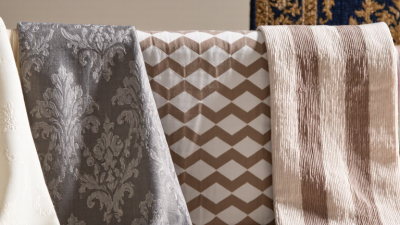
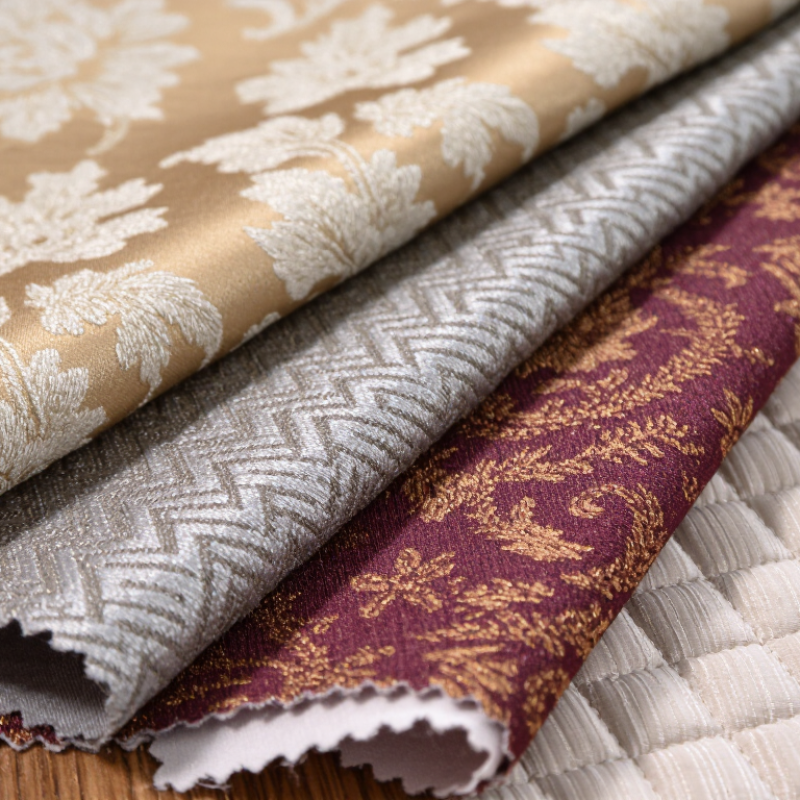
Common types include floral and geometric jacquards, damask-inspired designs, brocade-style cloth, and textured matelassé. Each has a different visual effect. A small geometric repeat can suit curtains or cushions, while a raised floral pattern may bring more presence to upholstery. Brocade-style fabrics often look richer, though heavier yarns and dense patterns may affect drape. There is no single winner.

This guide compares these types by appearance, texture, typical uses, and practical buying considerations. It also explains how yarn quality, weave density, backing, and finishing can change a fabric’s performance. For a useful comparison, check the reverse side, rub the surface gently, and request a sample before ordering. A product photo alone can hide stiffness, shine, or scale. Even these checks cannot predict every result; lighting and room use matter, too. The best choice depends on the project, budget, and care needs—not just the pattern name.
What Are the Top Jacquard Polyester Fabric Types in 2026?

How Jacquard Weaving Creates Patterned Polyester Fabric

Jacquard polyester gets its pattern from the way its threads are woven, not from a printed design sitting on the surface. On a Jacquard loom, controls lift selected warp threads as the weft passes through. This creates detailed motifs directly in the cloth. A small floral repeat, for example, may show raised petals on one side and a softer reverse. That structure helps patterns remain visible through ordinary use, though abrasion and care still affect appearance.

In 2026, common options include damask-style designs, brocade-like raised motifs, and geometric or textured jacquards. The names describe looks and structures, not guaranteed quality grades. Thread thickness, density, and finishing all matter. A close, even weave often feels smoother; a heavier raised pattern can add depth but may feel stiff. Not always. When comparing samples, check both sides under natural light, rub the surface gently, and notice whether loose threads catch. Polyester can hold color well and dry quickly, but its feel varies widely. A glossy swatch may photograph beautifully and still feel less comfortable in daily use.

What Are the Top Jacquard Polyester Fabric Types in 2026? - How Jacquard Weaving Creates Patterned Polyester Fabric

Fabric Type How the Pattern Is Woven Typical Appearance and Hand Common Applications Care Considerations
Damask Jacquard Pattern and ground are formed by contrasting weave structures, often using a satin weave alongside a less lustrous structure. Usually has a reversible, tonal design with different light reflection on the patterned and ground areas. Table linens, curtains, upholstery, and decorative household textiles. Follow the care label; washing and ironing requirements depend on the fabric construction and any finishes.
Brocade Jacquard Decorative figures are woven into the cloth, sometimes with supplementary yarns that add texture or visual emphasis. Often has a richly detailed pattern that appears raised or more prominent than the background. Occasionwear, decorative panels, cushions, and other statement textiles. Raised or intricate constructions may snag; use the cleaning method specified on the care label.
Matelassé Jacquard Woven structures create a cushioned, quilt-like relief; the effect is produced in the weave rather than by ordinary surface printing. Textured and dimensional, with a puckered or padded-looking surface. Bedspreads, coverlets, upholstery, and decorative home furnishings. Relief can change with heat or handling, so follow the manufacturer’s washing and drying instructions.
Tapestry-Style Jacquard Multiple colored warp and weft yarns form detailed, often pictorial or scene-like woven designs. Dense-looking, richly patterned fabric; the design is woven into the cloth rather than printed on top. Upholstery, wall hangings, cushions, and decorative accessories. Check cleaning guidance before washing, particularly for heavier fabrics or pieces with backing and finishes.
Satin Jacquard A Jacquard-controlled design is combined with satin weave areas, which use longer yarn floats to create a smooth, reflective face. Typically has a lustrous surface with patterned contrasts in sheen and texture. Eveningwear, linings, decorative bedding, and soft furnishings. Long floats can catch or snag; use a suitable wash cycle or professional cleaning as directed by the care label.
Geometric or Floral Jacquard Individually controlled warp threads allow repeating motifs, such as checks, leaves, medallions, or abstract shapes, to be woven into the fabric. Appearance varies by yarn, weave, and pattern scale; designs may be subtle or high-contrast. Apparel, curtains, upholstery, table linens, and decorative accessories. Care varies with fabric weight, yarns, and finishes; use the product’s care label as the guide.

Which Jacquard Polyester Fabric Types Stand Out in 2026?

In 2026, recycled-polyester jacquard, stretch jacquard, and heavyweight upholstery jacquard stand out for different uses. Textile Exchange’s Materials Market Report 2024 estimates polyester made up 57% of global fiber production in 2023, while recycled polyester accounted for about 12% of polyester output. That scale makes recycled-content jacquard commercially relevant, but the label alone says little about quality. Check fiber-content records, yarn consistency, and the fabric’s backing. Small details matter.

Stretch jacquard suits fitted garments and seating, where a little give helps the fabric follow curves without losing its woven pattern. For sofas, cushions, and panels, dense upholstery jacquard offers raised motifs and a firmer hand; rub testing still matters more than appearance. The European Environment Agency reported EU textile consumption of 19 kilograms per person in 2022, up from 17 kilograms in 2019. This broader consumption trend makes durability worth examining, though it does not prove demand for any specific jacquard type. Feel the fabric in person when possible. Some samples look rich under showroom lights, then feel stiff or thin at home. Textile choices are rarely perfect.

Upholstery jacquard is typically the heaviest option, while apparel jacquard is generally lighter. Values show indicative commercial fabric-weight ranges; actual specifications vary by construction, finish, and supplier. The bars represent each range’s midpoint, not a market ranking.

How Brocade, Damask, Matelassé, and Other Types Differ

Jacquard refers to a weaving method, not one specific fabric. It lets polyester yarns form patterns directly in the cloth. Brocade usually has raised, decorative motifs that catch light across the surface. On a jacket, those threads can feel textured beneath your fingertips. It often suits statement garments, cushions, or occasional-use upholstery better than understated everyday pieces. It can feel formal.

Damask tends to show flatter, reversible patterns, often through contrasting satin-like and matte areas. Turn a curtain panel over and the design may still appear, though its shine can shift with the light. Matelassé creates a quilted-looking surface through woven structure, not necessarily stitched padding. Its soft ridges add dimension to bedcovers and throws without the weight of a filled quilt. The categories can blur.

Other jacquard polyester styles include geometric designs, figured satin, and tapestry-inspired patterns. A close-up inspection helps: check whether the motif sits raised, changes sheen, or forms a padded-looking relief. Also rub the fabric gently and examine its reverse; loose yarns or snag-prone loops may matter for busy rooms. Polyester generally dries readily, but heat and abrasion can affect its finish. Care labels and actual fabric samples are more useful than a pattern name alone. Small detail, big effect.

How Weave Structure and Finish Affect Fabric Performance

Jacquard polyester is defined by its woven pattern, but weave structure often determines how it performs in daily use. Textile Exchange’s Materials Market Report 2024 estimates polyester represented 57% of global fiber production in 2023; recycled polyester accounted for 12% of polyester output. These figures show the material’s scale, not the quality of any individual fabric. Small-repeat damask designs usually have less exposed yarn than bold brocade-style motifs. Longer floats can catch on sharp edges. Satin jacquards often feel smooth and look lustrous, while denser constructions may feel firmer against the skin. Matelassé-style weaves add raised texture without necessarily using a separate filling layer.

Finishing changes the hand again. Heat-setting helps polyester hold its shape; calendering can add shine but may flatten texture. Brushing creates a softer surface, though raised fibers can pill with wear. There is no finish that improves every property. For upholstery or apparel, compare abrasion results using ASTM D4966 and color-transfer results using AATCC 8, rather than judging by appearance alone. A fabric that feels substantial in a showroom may still snag or lose surface detail after repeated use. That caveat is easy to miss. Testing conditions also vary, so request the method and test result before comparing samples.

How to Match a Jacquard Polyester Type to Its Intended Use

Match jacquard polyester to the job, not just the pattern. Damask-style designs suit curtains and table linens, where a clear face pattern matters more than stretch. Brocade-like, raised designs can add depth to decorative cushions, but may snag in busy rooms. For upholstery, look for a dense construction and ask for abrasion-test results. A polished sample can hide weak performance.

Textile Exchange’s Materials Market Report 2024 estimates polyester represented 57% of global fibre production in 2023. That scale makes polyester widely available, but it does not make every jacquard equally durable. For apparel, choose a lighter fabric with a comfortable reverse and enough drape to move naturally. For bedding, a smoother, lower-relief surface may feel better against skin than a heavily textured weave. Feel the hand first.

Check the actual fabric, not only a swatch photograph. Request weight, care instructions, colourfastness results, and the test method used for abrasion claims; results depend on construction and testing conditions. For curtains, hold a panel up to daylight and check its fall. For upholstery, rub a sample against a rough sleeve. I would still test a larger piece before ordering: small swatches can mislead, especially with directional patterns.