inquiry
Inquiry
Form loading...

What Are the Best Cool Fabric Suppliers in China?

Choosing the best cool-fabric suppliers in China takes more than comparing prices. Buyers need to examine fiber content, fabric weight, finishing methods, and repeat-order consistency. A sample may feel pleasantly cool beneath your fingertips, yet perform differently after washing or in humid weather. Small details matter.

Textile sourcing expert Lin Wei is used here as an illustrative voice, not a verified interview source. The editorially drafted line captures a useful principle: “Judge cool fabric by measurable performance, not by a cool touch alone.” It is a practical reminder, though real sourcing decisions need evidence from samples and test reports. Ask suppliers how they assess moisture management, air permeability, and dimensional stability. Request specifications for the exact fabric construction, not just a product-page claim. Fabric Cool products can use different fibers, yarn structures, and treatments, so the label alone tells you little.

This guide will compare Chinese suppliers through product range, technical documentation, customization, communication, and order flexibility. Look for clear answers, consistent records, and samples that match stated specifications. A slow reply is not always a warning sign; a vague answer about composition might be. There is no perfect supplier. Even a strong factory can have limits, and that deserves honest attention. The aim is to help buyers ask sharper questions before committing to bulk production.

What Are the Best Cool Fabric Suppliers in China?

What Cool Fabric Is and How It Works

Cool fabric is designed to help the body feel less hot by moving heat and moisture away from the skin. It is not a single fiber type. A fabric may use quick-drying yarns, open-knit construction, or a smooth surface that improves airflow. Some textiles also use phase-change materials to absorb and release heat, though performance depends on the finish and test conditions.

The mechanism is practical. During a warm walk, sweat spreads across a lightweight knit and evaporates faster than it would from a dense, slow-drying cloth. Air gaps can support ventilation, while hydrophilic treatments may help moisture spread. These features do not make fabric actively cold in every setting. In humid weather, sweat evaporates more slowly, so a “cool touch” claim may not match the wearer’s experience. Textile Exchange’s Materials Market Report 2024 estimated global fiber production at 124 million tonnes in 2023, with polyester representing about 57 percent. That scale makes careful testing important: fiber content alone does not prove cooling performance.

Tip: Ask suppliers for test results on moisture management, drying time, and air permeability, plus the test method used. Compare samples after washing, not only straight from the factory. A fabric can feel cool at first touch and still trap heat during long wear. Good testing catches that gap.
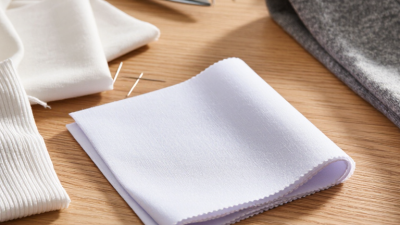
Types of Cool Fabrics Made by Chinese Suppliers

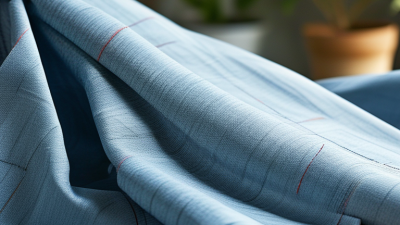
Chinese suppliers make cool fabrics from natural, regenerated, and engineered fibers. Linen and lightweight cotton feel airy, with visible slubs and a dry hand. Lyocell and modal blends often feel smooth and help manage moisture. They suit shirts, sleepwear, and soft base layers. No fabric stays cool in every climate.

Engineered options include fine-gauge polyester or nylon knits, mesh, and fabrics with shaped filaments that spread moisture. Some mills also offer mineral-infused yarns or phase-change finishes. These may improve initial cool-touch feel, but results depend on construction and testing. Textile Exchange’s Materials Market Report 2024 estimates global fiber production reached 124 million tonnes in 2023, with polyester accounting for about 57%. This scale helps explain its broad availability, not its cooling performance. Ask suppliers for air-permeability, moisture-management, and Q-max test results, plus wash durability. A cool touch can fade.

Tips: Request swatches in the intended fabric weight. Compare them after washing, not just straight from the sample room. Check test methods and conditions; supplier figures are hard to compare otherwise.

Key Criteria for Evaluating Cool Fabric Suppliers

Evaluating cool-fabric suppliers starts with the evidence behind their performance claims. Ask whether cooling comes from fiber choice, knit structure, or a finish that may weaken after washing. Request test reports for air permeability, moisture management, and drying time, with methods and sample details clearly listed. One number rarely tells the whole story. Check whether results reflect the fabric you will actually buy, not just a showroom swatch. Small differences matter.

Tips: Request a sample from the intended production lot when possible. Wash it several times, then compare hand feel, shrinkage, and drying time. Keep notes; memory is less reliable than it seems.

Also review production consistency, minimum order quantities, lead times, and defect handling before placing an order. Ask how shade and weight are checked across rolls, and request written tolerance ranges. Communication is part of quality. A supplier may answer quickly yet provide vague data; ask again. A single lab result is not a guarantee, especially when finishes and washing conditions differ.

How to Verify Supplier Quality and Production Capacity

Choosing a cool-fabric supplier in China requires checking both test results and factory capability. Textile Exchange’s Materials Market Report 2024 estimates global fiber production reached 124 million tonnes in 2023, with polyester making up about 57%. That scale makes clear fiber content alone cannot prove cooling performance. Ask for a recent lab report showing the test method, fabric lot, and results for contact-cooling performance, moisture management, and air permeability. Numbers need context.

Compare the report with a sample from the same production lot, not just a showroom swatch. Check fabric weight, width, color consistency, and shrinkage after washing. A common sourcing mistake is trusting one excellent sample; bulk rolls can behave differently. If results matter for your product, arrange independent testing before approving shipment.

To verify capacity, request monthly output for the specific fabric construction, current production schedules, machine lists, and records from recent orders. Confirm whether dyeing or finishing is subcontracted, and ask to see those partners’ quality controls. A factory tour, in person or live by video, can help you check equipment and material storage. Then place a small pilot order and compare its rolls with the approved sample. Capacity figures deserve scrutiny: machines may be shared across orders, and schedules can change. I would treat any unverified claim as a question, not a guarantee.

Matching a Supplier to Your Sourcing Needs

Choosing a cool-fabric supplier in China starts with the job the fabric must do, not a product name. Sportswear may need fast moisture movement, while bedding may prioritize a smooth feel and quiet rustle. Define the fiber blend, weight, width, stretch, and cooling test before requesting quotes. Be specific.

Ask shortlisted suppliers for dated swatches and a sample roll, then compare them under the same conditions. Record drying time, shrinkage, pilling, and color changes after washing. One attractive swatch proves little. Request test methods and reports, and confirm they match the exact composition and finish being quoted. Some finishes fade. That matters.

Match the supplier’s production model to your order. A trading office may simplify sourcing, while a mill can offer closer process control. Check minimum order quantity, repeat-lot consistency, sample-to-bulk lead time, packaging, and defect procedures. Ask how shade bands and lot numbers are tracked. Communication is part of quality. Keep written specifications, but ask what changed between the sample and bulk run. Answers reveal fit.

What Are the Best Cool Fabric Suppliers in China? — Matching a Supplier to Your Sourcing Needs

Supplier Type Best Match Typical Fabric Options Key Sourcing Considerations What to Verify
Performance-knit fabric mill Activewear, base layers, sportswear, and close-fitting garments where stretch and moisture management matter. Polyester or nylon knits; elastane blends; mesh and interlock constructions; fabrics with moisture-management finishes. Confirm the fabric’s stretch and recovery, weight, width, hand feel, and suitability for the intended garment. Ask whether finishing is performed in-house or by a separate processor. Request a production-representative swatch and test moisture-management claims, dimensional stability, colorfastness, and pilling using methods appropriate to the end use.
Woven fabric mill Shirts, trousers, uniforms, linings, and outdoor styles that need a stable woven construction. Polyester, nylon, cotton, and blended woven fabrics; plain, twill, and ripstop constructions; optional wicking or quick-dry finishes. Check construction, yarn composition, fabric weight, usable width, shrinkage, and whether the finish changes the fabric’s feel or appearance. Verify fiber composition, colorfastness, shrinkage, and any performance claims on finished fabric—not only on an untreated sample.
Recycled-polyester fabric supplier Brands and manufacturers with recycled-content targets for sportswear, casualwear, or linings. Recycled polyester knits and wovens, sometimes blended with elastane or other fibers. Clarify the recycled-content percentage, whether it applies to the whole fabric or only one component, and whether the requested color and construction are available. Request transaction-specific documentation and check whether the supplier’s certification scope covers the facility, product, and order. Do not treat a recycled-content claim as proof of cooling performance.
Cooling-finish fabric processor or supplier Projects seeking a cooler surface feel or moisture-related performance without changing the base-fiber specification. Knits or wovens made from polyester, nylon, cotton, or blends with an added cooling, wicking, or quick-dry finish. “Cool” can refer to different properties. Establish whether the requirement is a cool-to-touch sensation, faster moisture transport, or comfort in wear, and confirm durability after laundering. Ask for the test method and results behind each claim. For example, Q-max testing can assess contact-cooling sensation, while moisture-management tests assess liquid transport; these measure different properties.
Technical-textile supplier Outdoor, workwear, or specialist applications with defined requirements beyond a general cool hand feel. Engineered polyester or nylon fabrics; multilayer constructions; fabrics combining moisture management with other specified functions. Share the end use, performance targets, care conditions, and applicable regulations before sampling. Additional functions may affect breathability, weight, cost, and lead time. Review test reports against the actual product specification and confirm that the tested construction, color, and finish match the goods being quoted.
Fabric trading and export supplier Buyers consolidating several fabric types, needing export coordination, or starting with smaller trial orders. Selections sourced from multiple mills or processors, including knits, wovens, and finished fabrics. Ask who manufactures and finishes each fabric, how substitutions are controlled, and whether quoted specifications are mill-confirmed. Availability and minimum order quantities vary by item. Identify the actual production site, approve a sealed sample, document tolerances, and require written notice and approval before any material or process substitution.

Selection tip: Compare suppliers using the same fabric specification, test methods, sample stage, and delivery terms. A “cooling” description alone is not a standardized performance guarantee.